
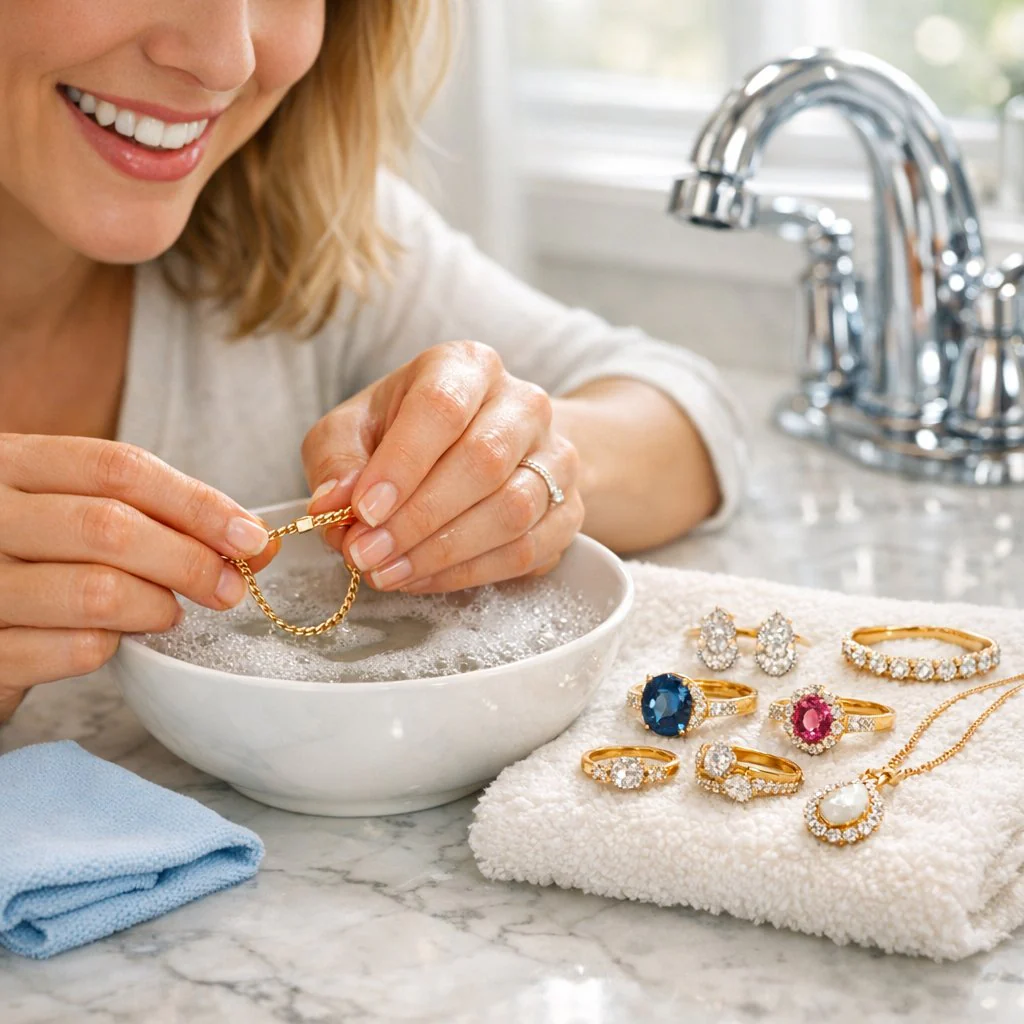
Keep your jewelry shining through everyday moments and life’s biggest milestones. This guide covers simple, safe ways to clean your lab-grown diamond engagement ring,
wedding band, and fine jewelry at home—plus when to visit a jeweler to keep your pieces brilliant for years to come.
EVERY DAY AT -HOTM JEWELRY CLEANING
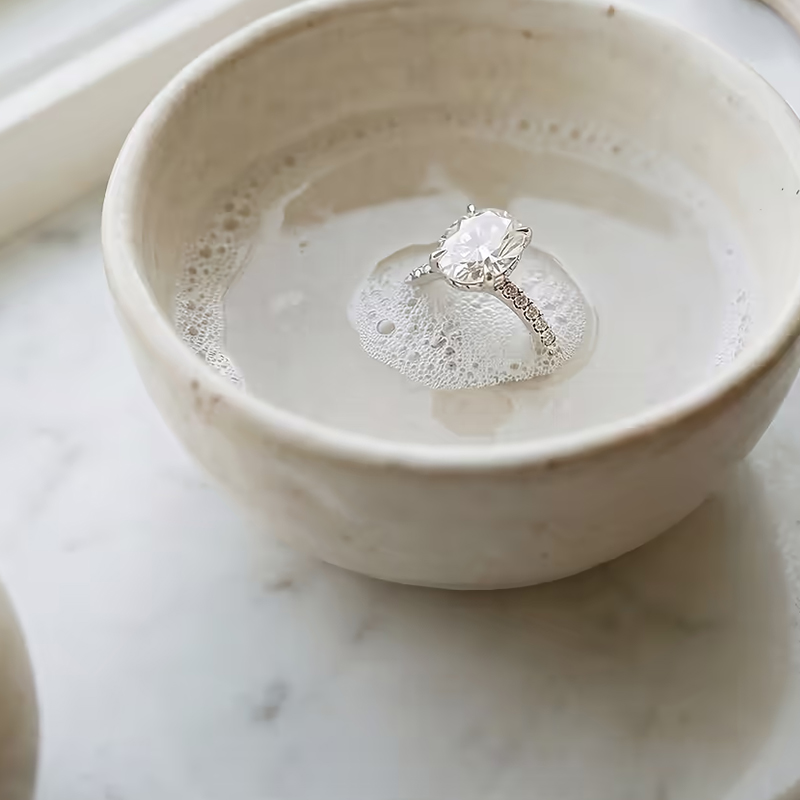
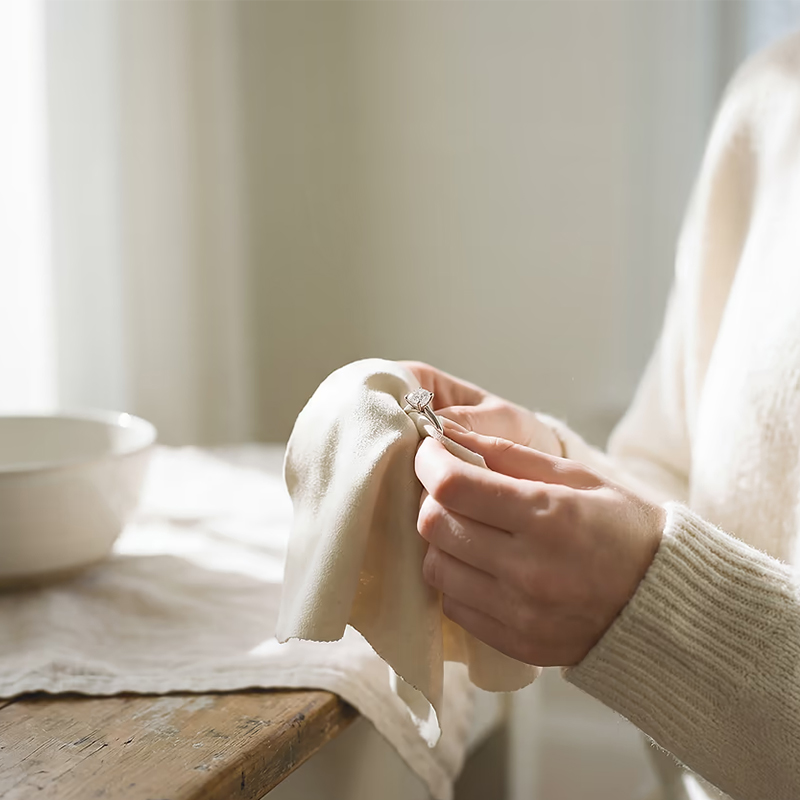
The safest way to clean most lab-grown diamond and fine jewelry at home is with warm water, a drop of mild dish soap, and a soft brush. Fill a small bowl with warm (not hot) water and a bit of gentle soap, then soak your jewelry for 10–15 minutes. Using a soft-bristle toothbrush, gently brush around the stone, beneath the setting, and along the band to loosen any buildup. Rinse under clean, lukewarm water and dry with a soft, lint-free cloth.
Avoid scrubbing too hard—especially around pavé, halo, or intricate details. Gentle, regular cleaning is far better than an occasional heavy scrub.


HOW OFTEN TO CLEAN YOUR FINE JEWELRY
Everyday wear means regular contact with lotions, soap, skincare products, and natural oils from your skin—all of which can gradually dull your jewelry’s sparkle. For pieces you wear daily, like an engagement ring or wedding band, we recommend a quick at-home cleaning once a week using the warm water and mild soap method.
For special-occasion pieces or jewelry you wear less often, a gentle clean every few wears is usually enough. If your ring starts to look cloudy, feels sticky, or still lacks sparkle after cleaning, it may be time to have a jeweler take a closer look.
CLEANING DIFFERENT TYPES OF JEWELRY
Different styles of jewelry collect buildup in different places, so a little extra attention can make a big difference:
Engagement rings & bridal sets: Focus on the area beneath the center stone and around the prongs, where soap and lotions often collect. Use gentle, small circular motions with a soft brush.
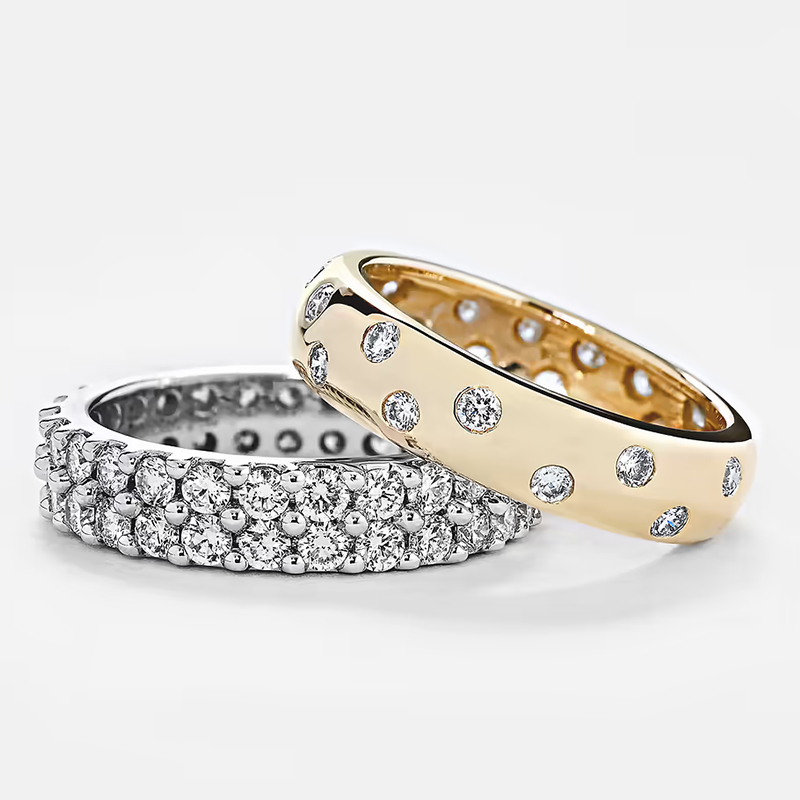
Wedding bands & stacking rings: Clean each ring individually so you can reach every side and avoid trapping residue between stacked bands.
Earrings: For studs or hoops, soak and gently brush the front, back, and posts, then dry thoroughly before wearing again.
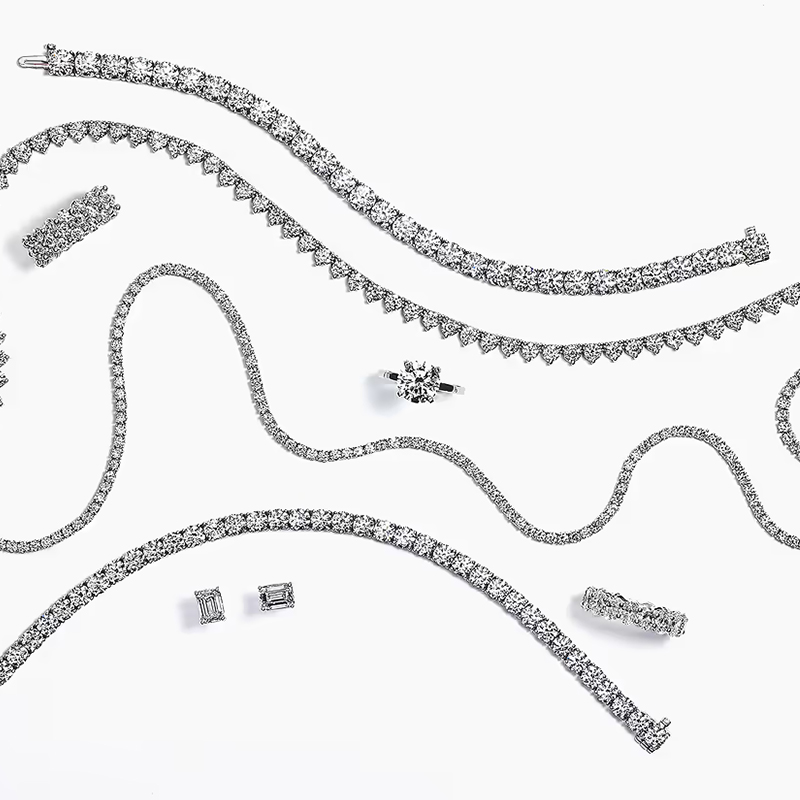
Necklaces & bracelets: Lay pieces flat while cleaning and drying to prevent tangles. Pay special attention to the clasp area, where buildup is common.
If you’re unsure about how to clean a specific piece—especially one with delicate details or mixed materials—it’s best to have a jeweler confirm the safest method.


CLEANING BY METAL TYPE & SETTING STYLE
Most precious metals—like platinum and gold—respond well to the same gentle soap-and-water method, though certain settings may need extra care:
Platinum & gold bands: Clean with warm water and mild soap only. Avoid abrasive pastes or rough cloths that can gradually scratch the metal.
Pavé, halo, and detailed settings: These designs feature many small stones and tiny spaces where residue can collect. Use a very soft brush and light pressure to avoid loosening stones. If your setting has taken a hard knock or you notice any movement, have a jeweler inspect it before cleaning.
Mixed metals or intricate designs: Stick to the gentlest method—warm water and mild soap—and avoid household cleaners that could damage the metal or delicate setting details.
When in doubt, a jeweler can help confirm whether at-home cleaning is appropriate for your specific piece.
WHAT TO AVOID WHEN CLEANING YOUR JEWELRY
Some common household cleaners and DIY “hacks” can damage jewelry over time. To keep your pieces looking their best, avoid:
1. Harsh chemicals: Bleach, chlorine, acetone, and other strong cleaners can weaken metal and damage finishes.
2. Abrasive powders and pastes: Baking soda, toothpaste, and gritty scrubs can scratch metal and certain gemstones.
3. Boiling water or extreme heat: Sudden temperature changes can stress settings and some stones.
4. Unverified ultrasonic cleaners: Ultrasonic machines can work well for some pieces, but they aren’t safe for every setting or gemstone. Always confirm with a jeweler before using one.
When in doubt, stick with the gentle soap-and-water method—or check with a jeweler first.

PROFESSIONAL CLEALING, INSPECTIONS
Even with regular at-home care, professional cleanings and inspections are important for keeping your jewelry in its best condition. A jeweler can:
- Professionally clean your jewelry to restore maximum brilliance
- Inspect prongs, settings, and bands for wear or damage
- Recommend repairs before small issues become larger problems
As a general guideline, have your engagement ring and wedding band inspected every 6–12 months, especially if you wear them daily.
