
LAB-GROWN DIAMONDS EXPLAINED
A lab-grown diamond is pure crystallized carbon, grown in an advanced laboratory that replicates the extreme heat and pressure conditions found deep inside the Earth. The result is a stone that shares every physical and optical property with a mined diamond — the same hardness, the same brilliance, the same crystal structure — with one key difference: you know exactly where it came from.
Today, more than half of all engagement ring buyers choose lab-grown diamonds. The reasons are straightforward: they are beautiful, transparent in origin, and substantially more affordable than mined stones of equivalent quality.
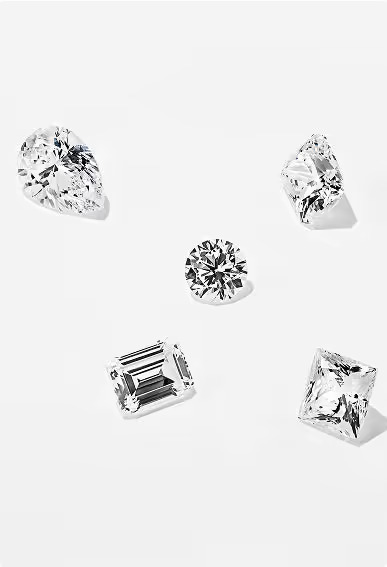
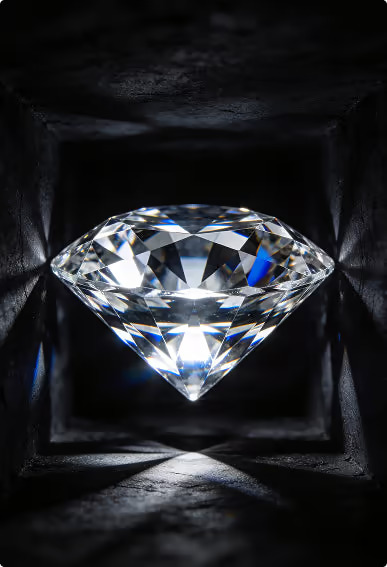
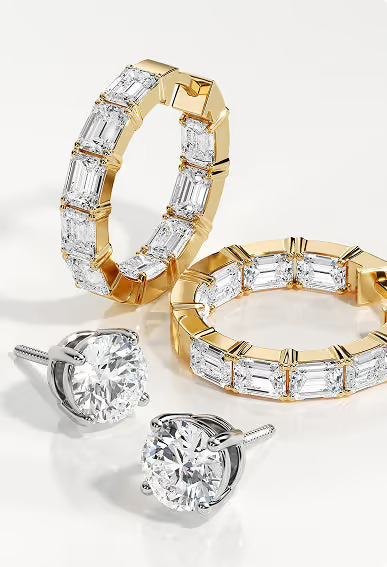
ARE LAB GROWN DIAMONDS REAL DIAMONDS?
Yes — unambiguously. Lab-grown diamonds are not cubic zirconia, moissanite, or any other simulant. They are real diamonds, graded by the same independent gemological laboratories — including the Gemological Institute of America (GIA), the International Gemological Institute (IGI), and GCAL by Sarine — that evaluate mined diamonds.
The only meaningful difference between a lab-grown diamond and a mined diamond is where it came from. Everything else — the carbon composition, the crystal lattice structure, the hardness, the brilliance, the fire, the way it interacts with light — is identical. Even trained gemologists with professional equipment cannot distinguish a lab-grown diamond from a mined one by appearance alone. Specialized spectroscopy is required.
Lab-grown diamonds share every physical property with mined diamonds:
- Hardness: 10 on the Mohs scale — the hardest natural substance known
- Brilliance, fire, and scintillation: identical optical performance
- Durability: ideal for everyday wear and heirloom-quality jewelry
- Grading: evaluated using the same 4Cs — cut, color, clarity, and carat
- Certification: independently graded by GIA, IGI, and GCAL
HOW ARE LAB-GROWN DIAMONDS MADE?
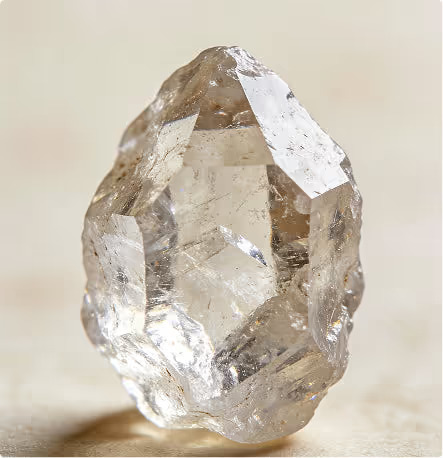
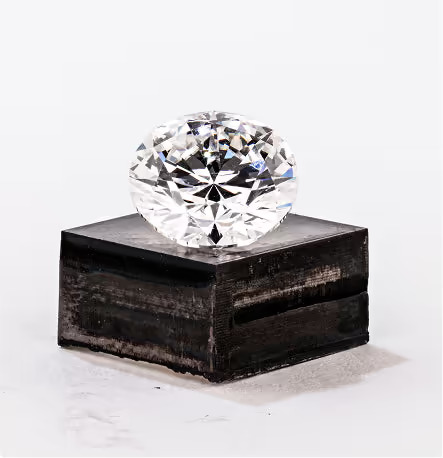
Modern laboratories use two primary methods to grow gem-quality diamonds. Both begin with a tiny diamond “seed” — a sliver of existing diamond — and build up carbon atoms around it until a full diamond crystal forms. The result in each case is a real diamond, later cut and polished by skilled craftspeople using the same techniques applied to mined stones.
CVD vs. HPHT: Which Is Better?
Neither method produces a superior diamond in any meaningful sense — both result in real, beautiful, fully graded diamonds. The differences are technical, not aesthetic. CVD tends to be preferred for larger center stones due to its cleaner growth process and more precise control. HPHT is well established and widely used for smaller stones and specialty applications.
When you shop with ASRINE, we specify the growth method on relevant diamond listings. Both methods meet the same grading standards and carry the same independent certifications.
LAB-GROWN VS. NATURAL DIAMONDS: HOW TO THEY COMPAIR?
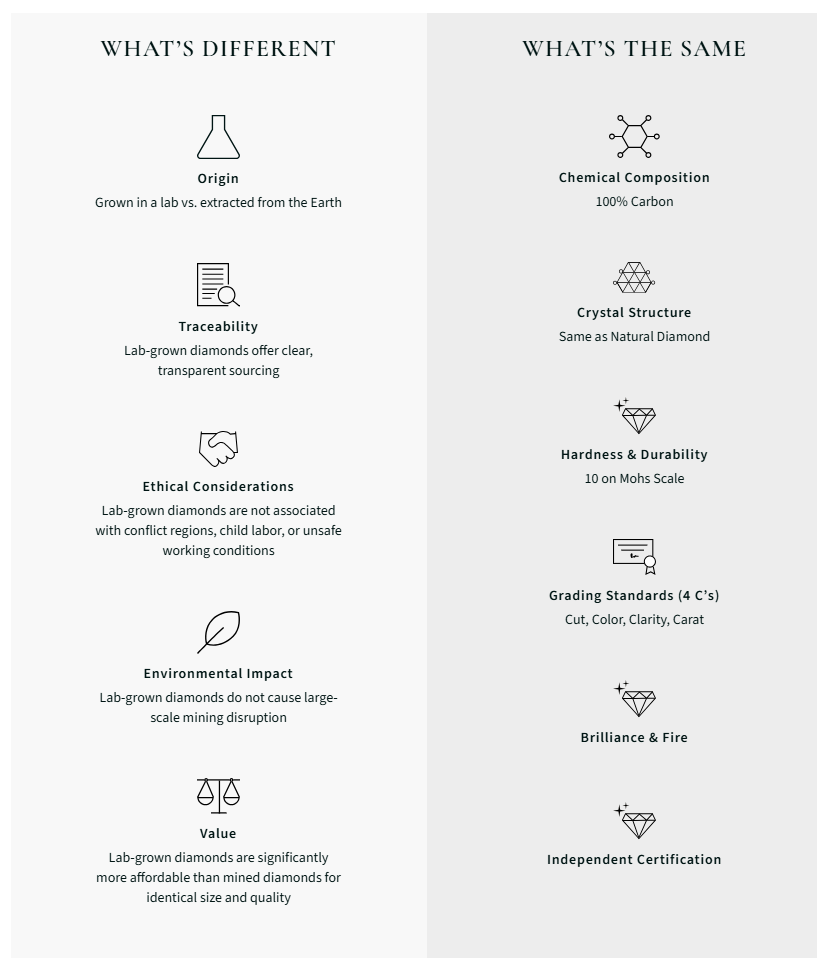
Lab-grown and mined diamonds are the same material. The differences between them are not about beauty or quality — they are about origin, impact, and price.
HOW ARE LAB-GROWN DIAMONDS GRADED AND CERTIFIED?
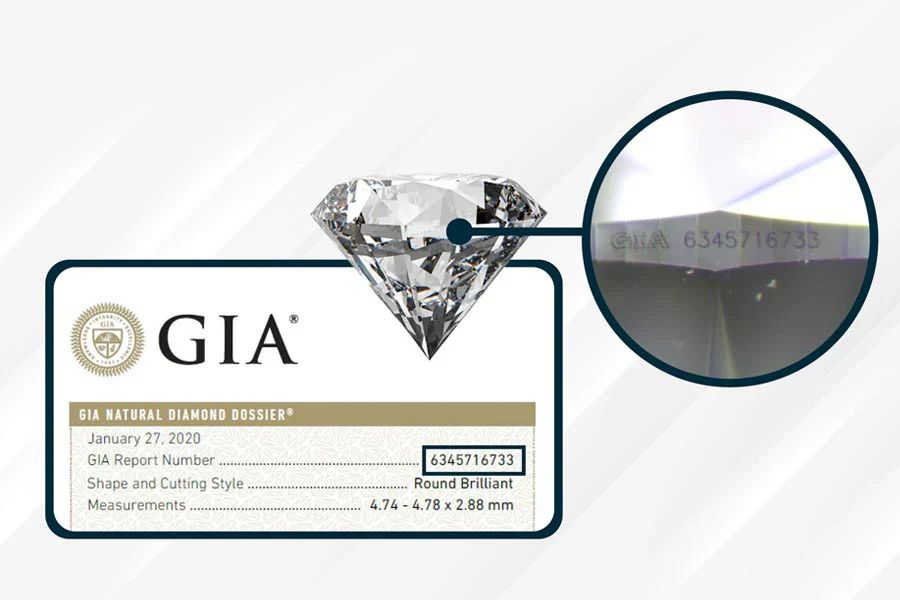
Lab-grown diamonds are graded using the exact same 4Cs framework applied to mined diamonds — cut, color, clarity, and carat weight. Independent gemological laboratories evaluate each stone and issue a grading report that documents its characteristics. This report is the standard basis for comparing and pricing diamonds.
The three most widely recognized grading bodies for lab-grown diamonds are:
- GIA (Gemological Institute of America): The most recognized name in diamond grading. GIA updated its lab-grown diamond grading system in October 2025, moving to a simplified color and clarity descriptor format. Pre-October 2025 GIA reports for lab-grown diamonds used the traditional alphanumeric scale and remain fully valid.
- IGI (International Gemological Institute): The most commonly used grading body for lab-grown diamonds, offering the traditional detailed breakdown of cut, color, clarity, and carat with alphanumeric grades. IGI reports have become the industry standard for lab-grown stones following GIA’s 2025 format change.
- GCAL by Sarine: Offers detailed grading with an optical performance report — a useful addition for buyers who want to verify a stone’s light performance beyond the standard 4Cs.
When you purchase a lab-grown diamond from Asrine, your stone comes with an independent grading report from one of these laboratories. We prioritize stones graded by IGI or GCAL for center stones, as these provide the most detailed information for our customers.
DO LAB-GROWN DIAMONDS HOLD THEIR VALUE?
This is one of the most common questions buyers ask, and it deserves an honest answer.
Lab-grown diamond prices have declined significantly over the past decade as production technology has improved and supply has grown. A lab-grown diamond purchased in 2018 would be worth less today on the secondhand market — not necessarily because lab-grown diamonds are inferior, but because the cost to produce a new stone of equivalent quality has dropped dramatically.
Mined diamonds also depreciate from retail price immediately after purchase, typically losing 20–50% of their retail value upon resale. Neither category functions well as a financial investment in the short to medium term.
The practical framing: if resale value is a primary concern, neither lab-grown nor mined diamonds are strong investment vehicles at the retail level. If your priority is a beautiful, ethical stone that maximizes the quality and size you can purchase within your budget — and you intend to keep it — lab-grown diamonds offer exceptional value. Most of our customers buy for love, not liquidity.
IS A LAB-GROWN DIAMOND RIGHT FOR YOU?
A lab-grown diamond is likely the right choice if you value any of the following:
- Beauty without compromise: the same brilliance, hardness, and sparkle as a mined diamond — explore our lab-grown diamond engagement rings to see the full range of styles and settings
- Transparent origins: a stone with a clear, traceable story you feel good about
- Exceptional value: the ability to choose a larger stone, higher cut grade, or more intricate setting within your budget — browse our loose lab-grown diamonds to find your ideal stone before choosing a setting
- Modern values: lab-grown diamonds are now the most popular choice among couples under 40
- Independent certification: every Asrine stone comes with a report from GIA, IGI, or GCAL
A natural diamond may still be the right choice if you place specific value on geological rarity or natural origin as part of the stone’s meaning to you. We respect that — our goal is to give you accurate information, not to pressure a decision. If you’re ready to explore, our team can help you design a custom ring around the exact stone and setting that fits your vision.
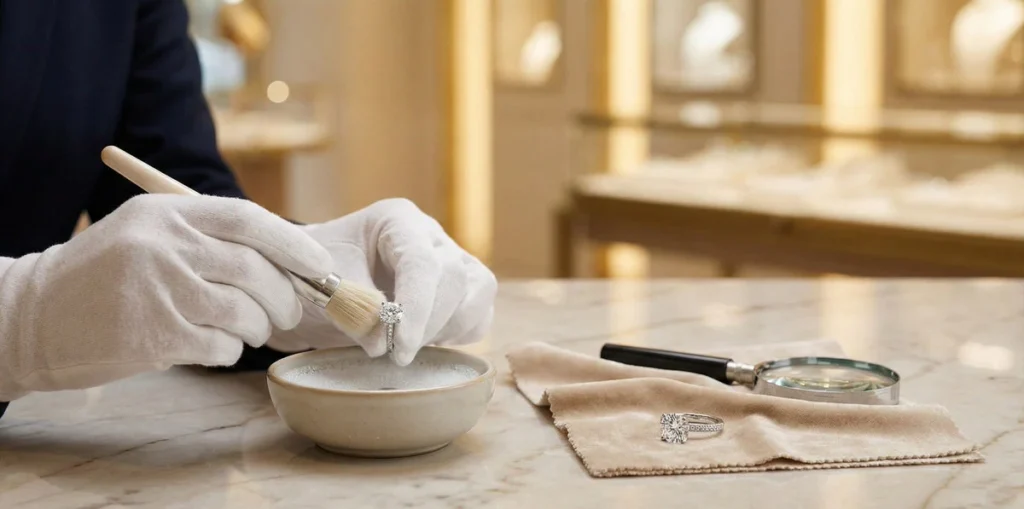
HOW TO CARE FOR YOUR LAB-GROWN DIAMOND
Lab-grown diamonds are exactly as durable as natural diamonds — hardness 10 on the Mohs scale, the maximum. They will not chip, cloud, or lose their brilliance over time with normal wear and proper care.
Cleaning at home:
- Soak in warm water with a small amount of mild dish soap for 20–30 minutes
- Gently scrub with a soft-bristle toothbrush, paying attention to the underside of the stone where oils accumulate
- Rinse thoroughly under warm running water
- Pat dry with a lint-free cloth, or allow to air dry
What to avoid:
- Bleach and chlorine-based cleaners, which can damage metal settings over time
- Ultrasonic cleaners if your ring has pave or micro-set side stones (prongs can loosen)
- Abrasive cloths or toothpaste, which can scratch metal
- Storing your ring alongside other jewelry without separation — diamonds can scratch other stones and metals